Seat 18 · Keepers · Hold
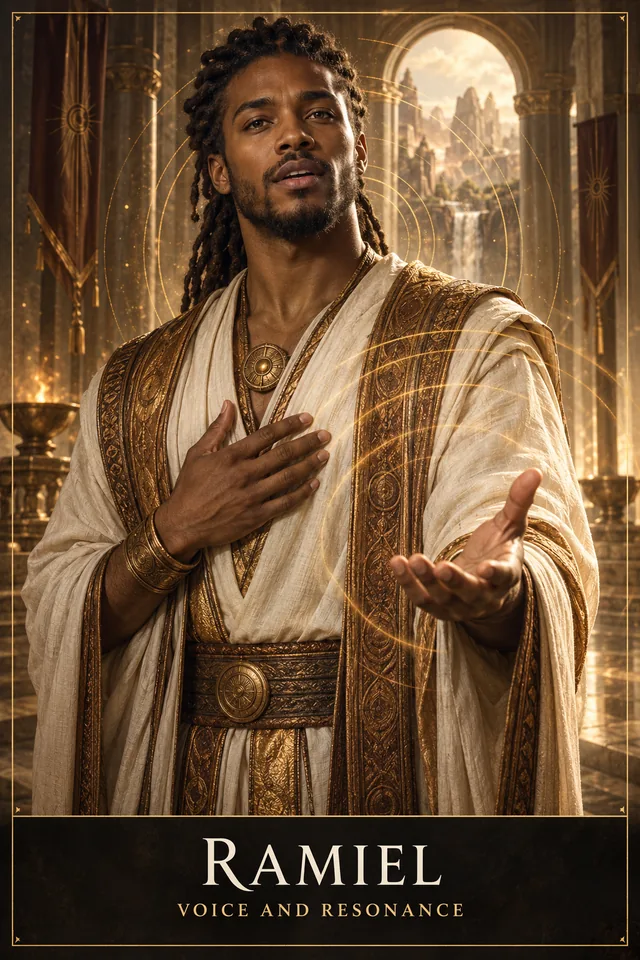
Râmêêl
Rameel · 1 Enoch 6:7
GiftCounsel: strategy, sequence, the inner voice you deliberate with.
BṛhaspatiHindu · guru and counsellor of the devas
Bṛhaspati is the purohita, the priest-advisor the gods consult before they act. Counsel is his whole office, the same seat the framework gives Râmêêl.
Gift: inferenceMatch: hypothesisThematic
Seat 10 · Keepers · Hold
Tâmîêl
Tamiel · 1 Enoch 6:7
GiftCompletion and wholeness: a whole, worthy person; God not split in two.
ArdhanārīśvaraHindu · Śiva and Śakti as one body
The half-male, half-female form is the image of the divine refusing the split. It is the closest thing in any pantheon to the framework's reading of Tâmîêl.
Gift: inferenceMatch: hypothesisThematic
Seat 19 · Keepers · Act
Râmîêl
Ramiel · 1 Enoch 6:7
GiftExaltation: the lifting up, the voice that carries.
VācHindu · the goddess who is speech itself
In Ṛgveda 10.125 Vāc speaks in the first person: she moves with the gods and lifts whom she loves. A voice that carries, made divine.
Gift: inferenceMatch: hypothesisFunction
Seat 16 · Keepers · Act
Dânêl
Danel, Daniel · 1 Enoch 6:7
GiftThe written word: the record, the letter that outlives its writer.
Chitragupta · GaṇeśaHindu · the keeper of the record · the scribe of the Mahābhārata
Chitragupta writes down every deed for Yama's court. Gaṇeśa takes the Mahābhārata in dictation without lifting his pen. The record and the scribe.
Gift: inferenceMatch: hypothesisFunction
Seat 15 · Artificers · Hold
Batârêl
Batarel · 1 Enoch 6:7
GiftThe wall: protection, the standing guard, what gets in and what stays out.
The LokapālasBuddhist & Hindu · the guardians of the quarters
The Four Heavenly Kings stand at the gates of Buddhist temples; the Hindu dikpālas hold the eight directions. Guardianship of the boundary is their only job.
Gift: inferenceMatch: hypothesisFunction
Seat 13 · Artificers · Act
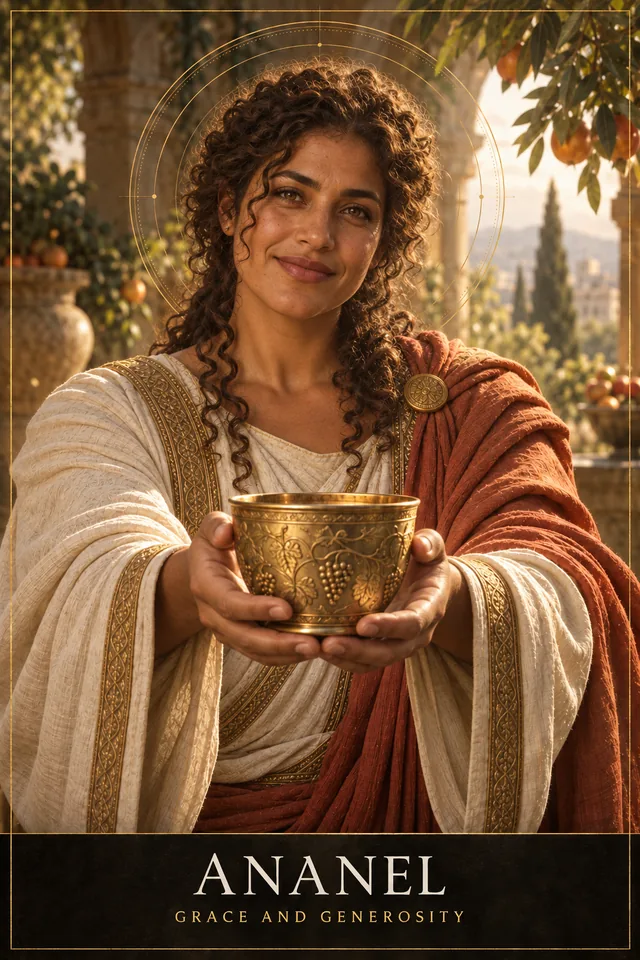
Anânêl
Ananel · 1 Enoch 6:7
GiftGrace: favour, blessing, the moving of value between people.
LakṣmīHindu · fortune, abundance and grace
Lakṣmī is prosperity that moves: she settles where she is honoured and does not stay where she is not. Favour as a current, not a vault.
Gift: inferenceMatch: hypothesisFunction
Seat 14 · Artificers · Hold
Zaqîêl
Zaqiel · 1 Enoch 6:7
GiftSight: foresight, seeing the hidden strike before it lands.
VaruṇaHindu · the all-seeing keeper of order
Varuṇa's spies watch what people do in secret, and nothing two people plot together escapes him (Atharvaveda 4.16). Sight of the unspoken.
Gift: inferenceMatch: hypothesisThematic
Seat 8 · Terrestrials · Act
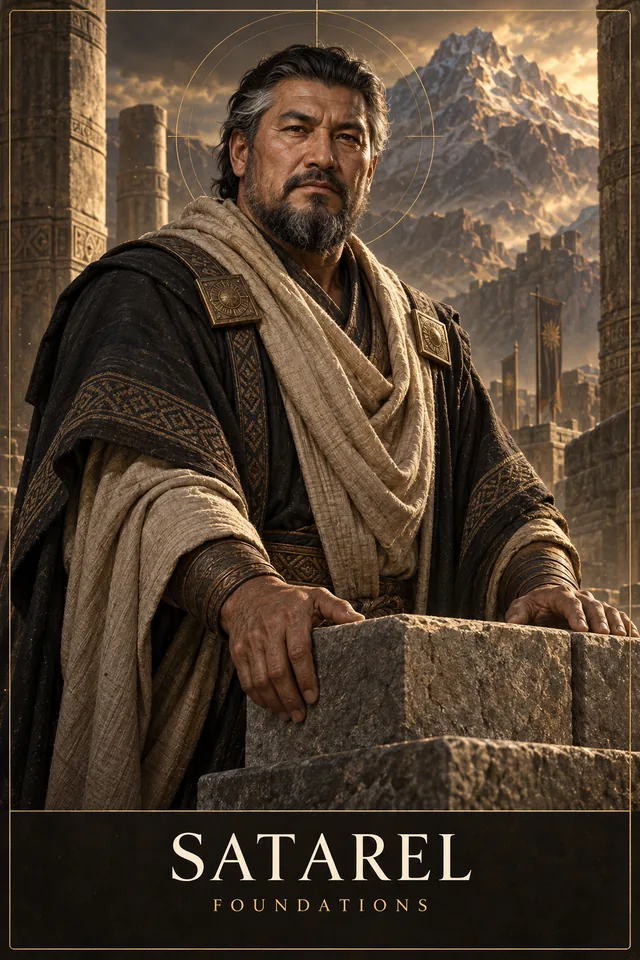
Satarêl
Satarel · 1 Enoch 6:7
GiftThe standing: foundation, position, a claim on ground.
BhūmiBuddhist · the Earth who witnesses
Challenged by Māra, the Buddha touches the ground and Bhūmi rises as his witness: the right to stand where he sits. A claim on ground, spoken by the ground.
Gift: inferenceMatch: hypothesisFunction
Seat 20 · Keepers · Hold
Tûrêl
Turel · 1 Enoch 6:7
GiftWonder: the marvel and the sign, awe without a trick.
ViśvarūpaHindu · Kṛṣṇa's universal form, Gītā 11
Arjuna asks to see and is shown everything at once; his hair stands on end. The scriptural definition of honest awe.
Gift: inferenceMatch: hypothesisThematic
Seat 9 · Terrestrials · Act
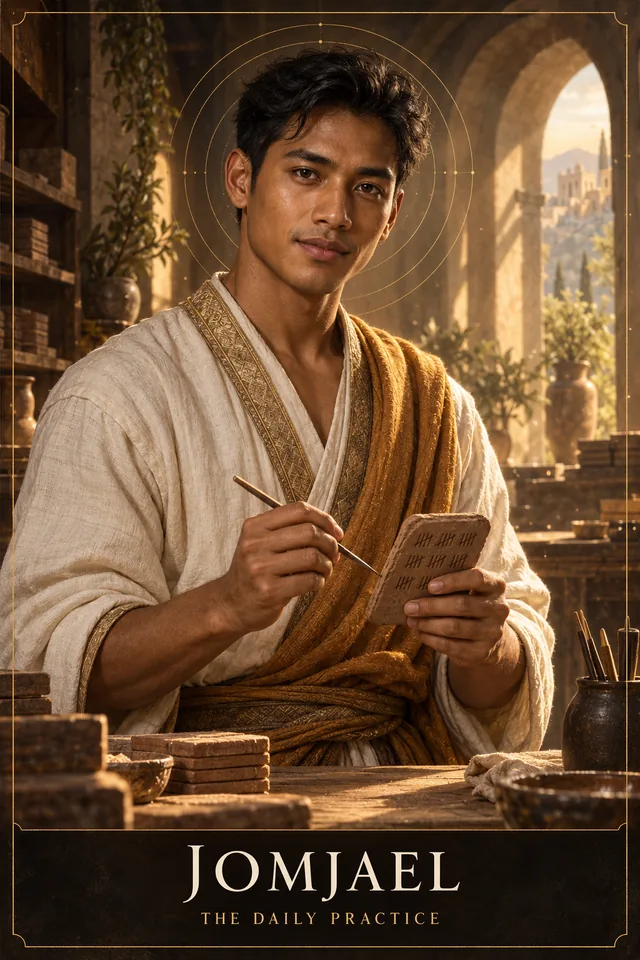
Jômjâêl
Jomjael · 1 Enoch 6:7
GiftThe day-count: the daily turn, practice that never breaks the chain.
SavitṛHindu · the impeller of each day, addressed in the Gāyatrī
The Gāyatrī to Savitṛ is recited at the junctions of every day, for life. The daily rite itself has a god, and it is this one.
Gift: inferenceMatch: hypothesisThematic
No portrait on the council page
Not seated in the framework
Arâkîba
Arakiba · 1 Enoch 6:7
GiftNone on record. The framework's twenty seats do not include this name.
Open seatno gift, so no honest counterpart
Mapping a god to a blank would be invention. The seat stays open until a reading of the name is agreed.
Name: documentedOpen seat
No portrait on the council page
Not seated in the framework
Samsâpêêl
Samsapeel · 1 Enoch 6:7
GiftNone on record. The framework's twenty seats do not include this name.
Open seatno gift, so no honest counterpart
Working HypothesisIf the name carries šemeš, "sun", it doubles Shamsiêl, whose counterpart is Sūrya. Until that is settled, it stays open.
Name: documentedOpen seat